 Research study conducted at the University of Vermont
Healing, Empowering, & Resilience Through Text
Share your story and earn $75 to help us, researchers at the University of Vermont, understand how language relates to our mental health.
Why we're doing this study
Supporting survivors is at the center of our mission
The goal of our work is to spot patterns of recovery so we can create better ways to support survivors.
Everyday words matter
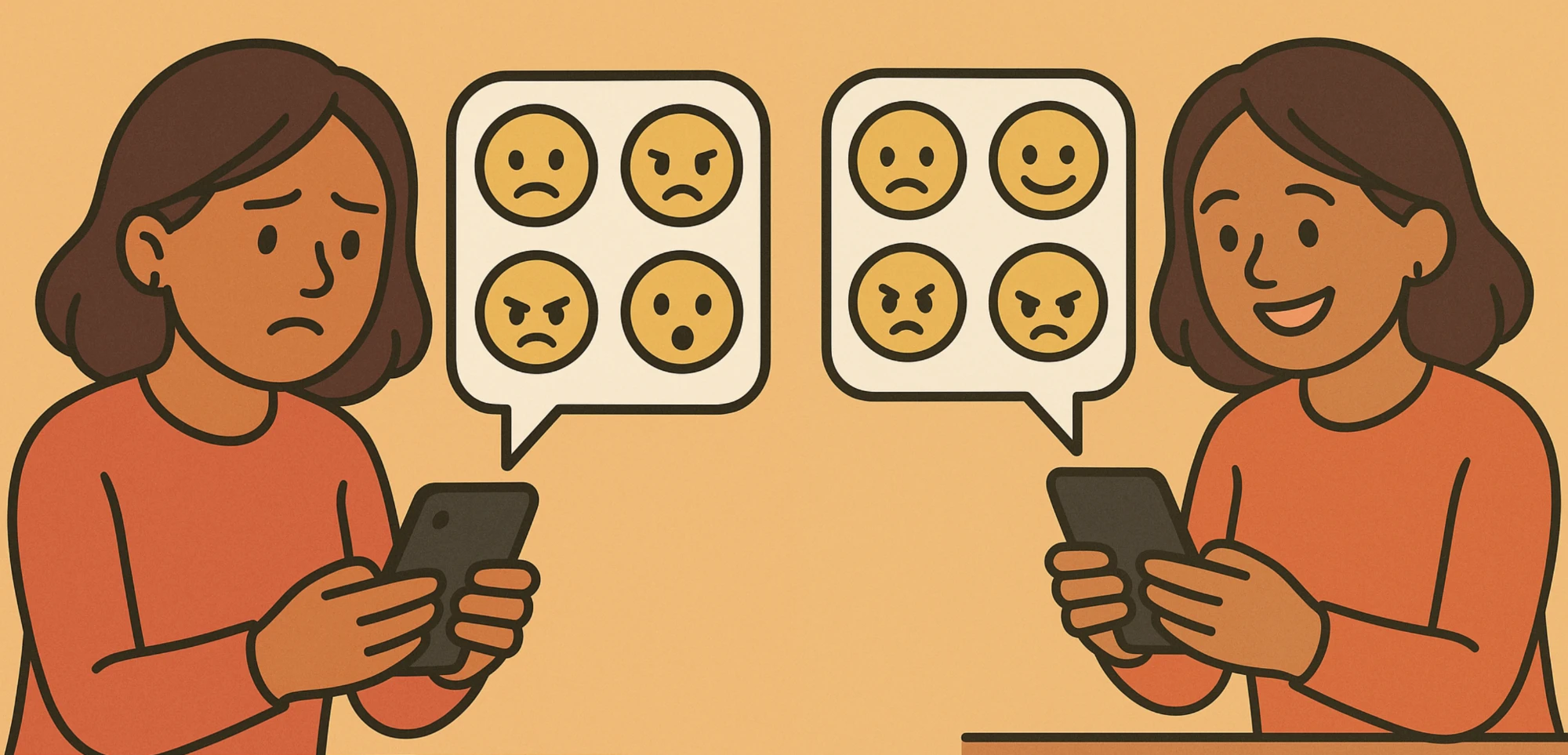
The everyday words people use when talking with friends or sharing their stories might show who's bouncing back and who could use extra support.
Better support for everyone
This knowledge would help us better assist those who are struggling while supporting those who are healing.
Eligibility
Want to participate?
We're looking for people who have had unwanted sexual experiences and people who haven't. To understand how words and talking help with healing, we need a mix of people. Choose the group that fits you.
You may be eligible if:
- cakeYou are age 18 or older
- historyYou have experienced unwanted sexual contact in the past 3 years
- smartphoneYou have a mobile phone that is newer than 2015
- smsYou do not delete your text messages
This group includes people who haven't had any unwanted sexual experiences in the last ten years but still fit our other requirements. You'll follow almost the same steps as everyone else, with just a few small changes (see FAQ).
You may be eligible for this group if:
- cakeYou are age 18 or older
- historyYou have not experienced unwanted sexual contact in the past 10 years
- smartphoneYou have a mobile phone that is newer than 2015
- smsYou do not delete your text messages
All participation is private & confidential. You will only be asked to continue with activities you feel comfortable completing.
What's involved
Your path through the study
Participation takes roughly 2 hours over Microsoft Teams. Here's what to expect, step by step.
-
handshake
STEP 1
Informed consent
A member of the research team will meet you, review all parts of the study, answer any questions, and make sure you're ready to participate.
-
video_chat
STEP 2
Interview
A conversation over Microsoft Teams about how you are doing and your mental health during the past month. Some questions cover personal topics, including recent unwanted sexual experiences, because they help us learn how people recover.
-
record_voice_over
STEP 3
Telling your story
We'll ask you to tell us about different experiences: happy moments, sad moments, and the unwanted sexual contact you experienced. Those who have not had a recent experience, or have never had one, are instead asked about the most difficult experience they've had in the last 3 years. Each story is only about 5 minutes.
-
checklist
STEP 4
Surveys
Questions about how you are doing, past experiences, your resilience, and your support network.
-
screenshot_monitor
STEP 5
Mobile phone information
You'll share screenshots of your phone's "screen time" data. We make sure not to collect identifying information like names or phone numbers.
-
forum
STEP 6
Text information
You'll share some of the texts you've sent, using a secure process. All names and contacts are anonymized, and you choose which conversations to leave out.
-
redeem
ALL DONE
Receive $75
You'll receive a $75 e-Visa gift card. If you choose to withdraw, you'll be compensated at a prorated amount.
Your privacy
Your privacy and confidentiality are our top priority
Your texts are private, and we want to keep them that way. Most importantly, we do not read your messages — a computer counts the words you use.
- tuneYou are in charge
Tell us which conversations you do not want to share — we will not have access to them.
- outgoing_mailOnly texts you sent
We never collect texts other people sent to you.
- date_rangeA limited window
Only texts from around the time of the experience and the past month — about 7 months total.
- badgeNames removed with you
Names, dates, and places are replaced before anything is saved — and we do it with you on the call so you can check it's right.
- dnsSecure UVM servers
Data is stored under an ID number on UVM's secure research servers, separate from your name and contact information.
How your texts look to us
Here's how we collect your texts
We keep study data as confidential as possible, with the exception of certain information we must report, such as child abuse, elder abuse, or intent to harm yourself or others. Files are sent via UVM's secure file transfer service, filetransfer.uvm.edu.
Frequently asked questions
Answers before you decide
What is an "unwanted sexual experience"?expand_more
By "unwanted sexual experience," we mean any attempted or completed sexual contact involving private body parts that was unwanted and happened without your permission or consent.
- Private body parts
- A person's genitals, breast, chest, and/or butt.
- Bodily contact
- A person intentionally using their hands, mouth, genitals, or an object to make contact with another person's genitals, butt, or breasts, OR making someone touch their own genitals, butt, or breasts with their hands, mouth, genitals, or an object.
- Consent
- An affirmative and verbal expression of wanting to engage in sexual activity that's freely and clearly communicated.
Why are we doing this research?expand_more
We are studying how people get better after being hurt. We look at the words people use when they text their friends, family, and coworkers.
We think these messages show a person's strength and how they cope. By sharing your texts, you help us find patterns that tell us how people heal. This helps us do a better job of supporting survivors who need help.
Do I need to have my camera on during the call?expand_more
Yes, we ask you to turn your camera on at the start of the call to verify your identity. This keeps the study safe.
After we say hello and complete the consent process, you can turn your camera off if that makes you feel more comfortable. Please join the call from a quiet place where you can talk freely.
What is a consent form, and can I see it before my appointment?expand_more
We want you to feel safe and comfortable. Before we start, we will explain everything we are going to do. This process is called informed consent. It's your chance to ask questions and decide if this study is a good fit for you — so there are no surprises.
We will talk about this when we meet, but you can read the form now if you like:
descriptionConsent form — had an experience in the past 3 years descriptionConsent form — have not had a recent experience
How do you keep my information confidential, private, and safe?expand_more
Your data will be collected and stored safely at the University of Vermont on secure research servers accessible only to UVM researchers on our team. This includes items obtained from your phone, surveys, and audio recordings.
Your data is stored with an ID number, and your name and contact information are stored separately, making it very hard to connect your data to anything that might identify you. See Your privacy above for more, including a short video.
How much time will I need to spend?expand_more
Study participation takes roughly 2 hours via Microsoft Teams.
How (and how much) will I be compensated?expand_more
For your time in the study, you will receive a $75 e-Visa gift card. If you choose to withdraw from the study, you will be compensated for your participation at a prorated amount.
What if I want to stop participating?expand_more
You can stop participating at any time. Information collected before you stopped will still be kept, but you can ask us to delete your information if you or the researcher decides to end your participation.
Text message data is the focus and most important part of our study. If you are unable to share text message data, we will have to withdraw you from the study.
Why isn't this website on the uvm.edu domain?expand_more
The University of Vermont does not provide websites for research studies. The study is led by Dr. Matthew Price, a professor in the Department of Psychological Science at the University of Vermont.
How can I contact you with questions?expand_more
Call us at 802-656-9196 or email hearttstudy@uvm.edu. You can also find all contact options in the Contact section below.
About us
Meet the research team
The HEARTT Study is run by the CREST lab at the University of Vermont.
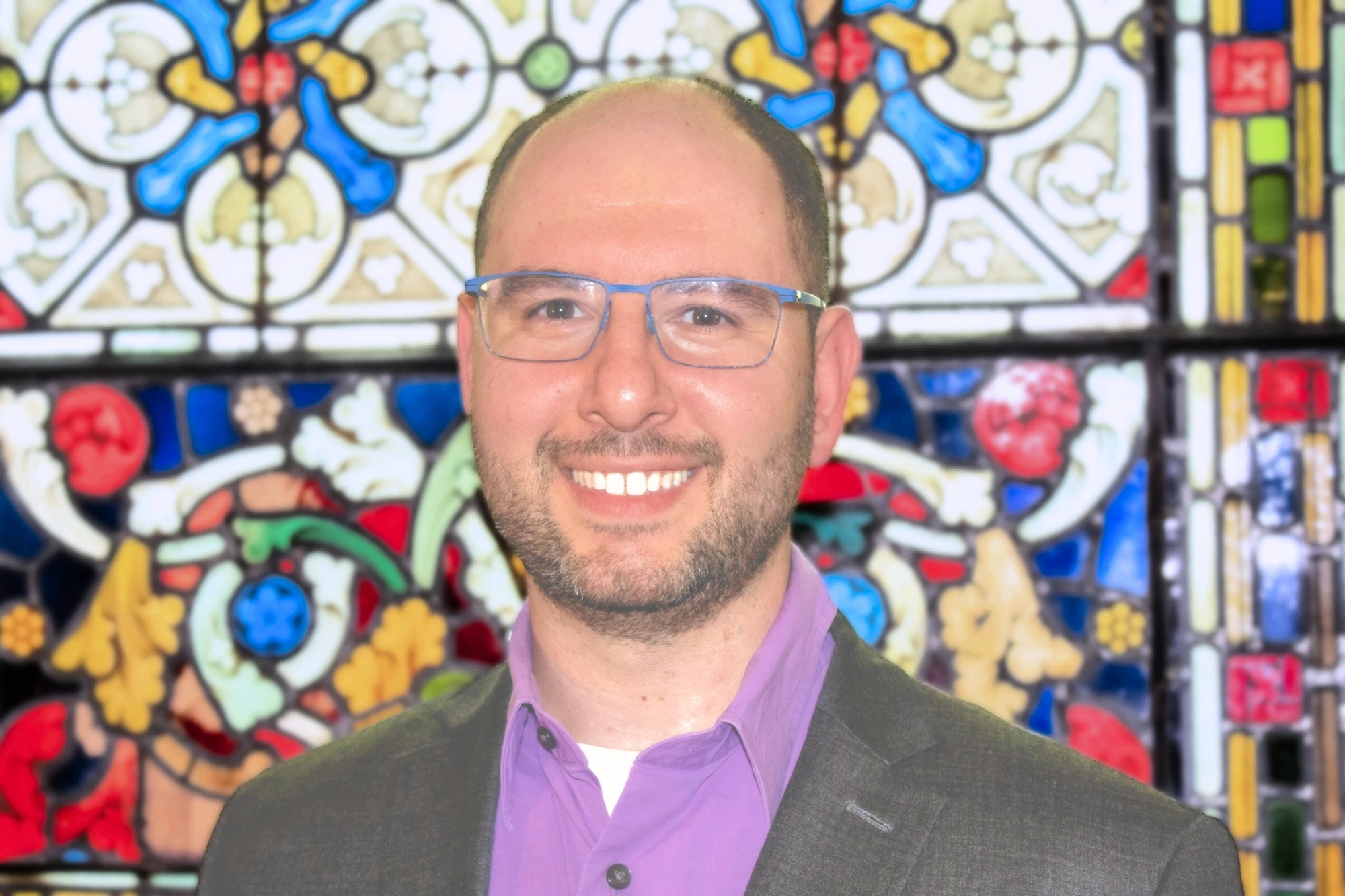
Matt Price
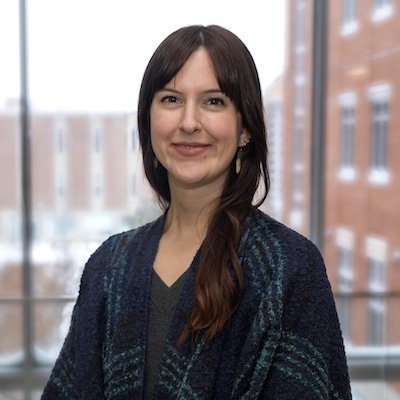
Kathryn Stanton
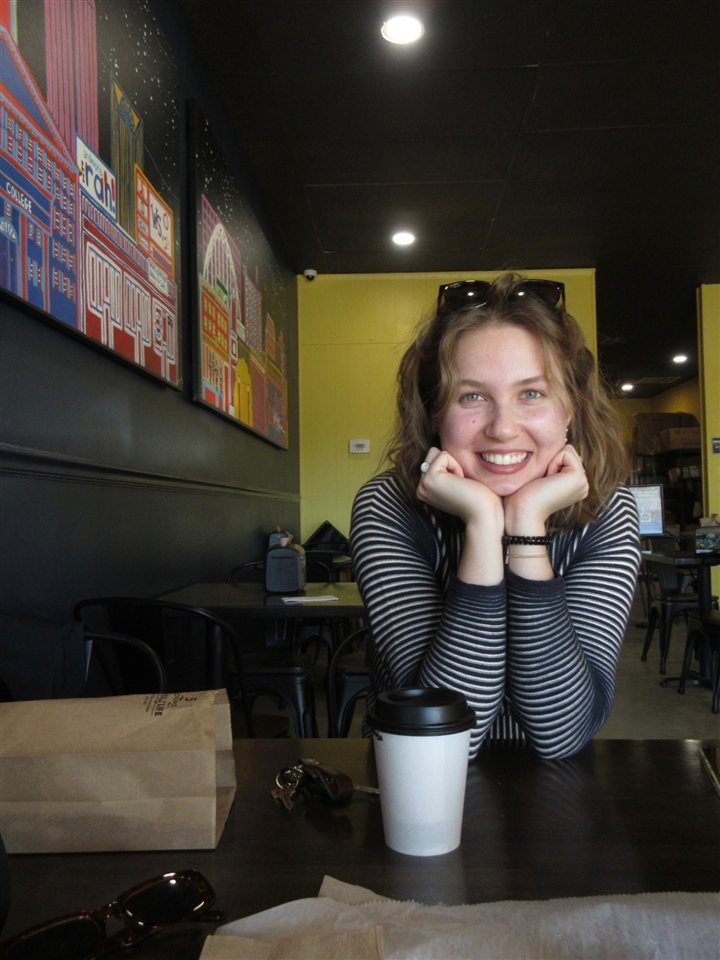
Ella Carbrey
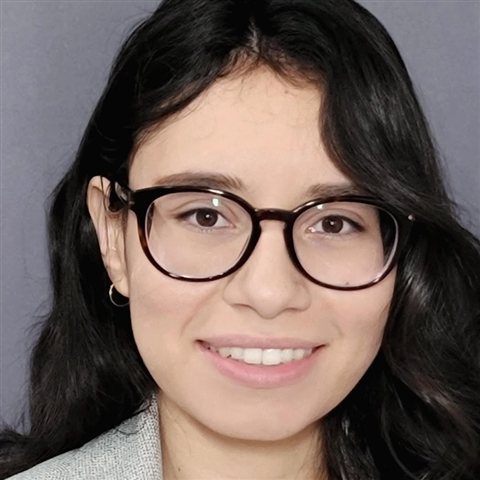
Johanna Hidalgo
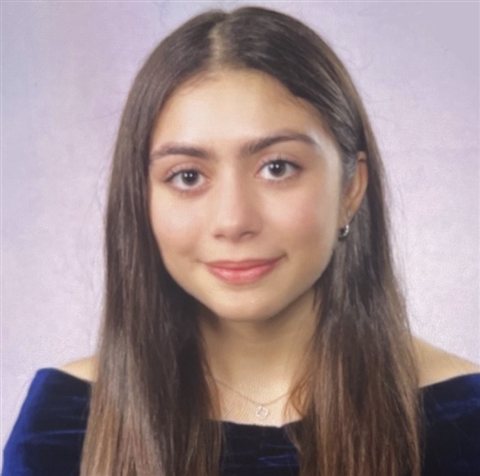
Elizabeth Cepeda
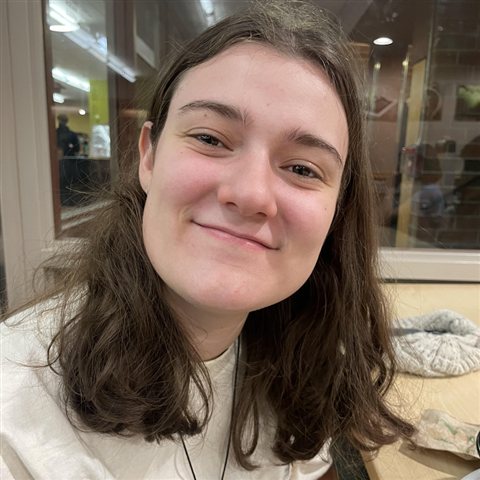
Kaelin Lensink
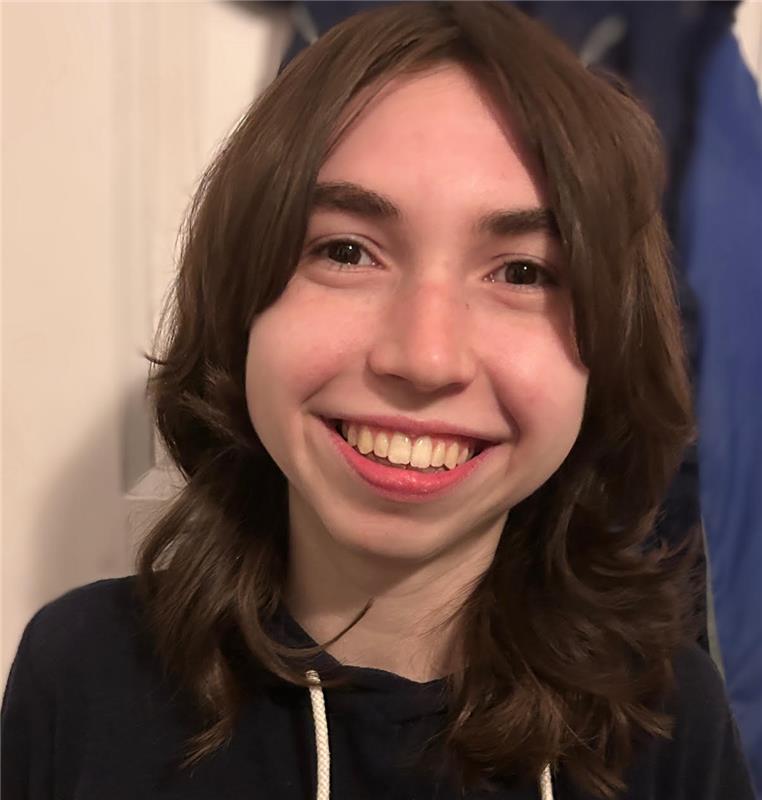
Willa Crowley
Resources
Everyone needs extra support sometimes
No matter your situation, help is available.
diversity_1Support for survivors of unwanted sexual experiences (confidential)
- National Sexual Assault Hotlinecall1-800-656-4673
- Safe Horizoncall1-800-621-4673
- National Street Harassment Hotlinecall1-855-897-5910
- National Domestic Violence Hotlinecall1-800-799-7233
- 1in6Support for men who have had unwanted sexual experiencesopen_in_newVisit
- Helping SurvivorsLegal supportopen_in_newVisit
- me too. Movementopen_in_newVisit
- Survivor's Sanctuaryopen_in_newVisit
publicNational resources
- Suicide & Crisis Lifelinecall988
- Now Matters NowCrisis supportopen_in_newVisit
- Find a TherapistPsychology Todayopen_in_newVisit
- Substance Use Recoveryopen_in_newVisit
military_techVeteran services
- Veterans Crisis Line24/7 · Call 988 and press 1, or text 838255call988, press 1
- VA support for Military Sexual Trauma (MST)Free MST-related care at every VA facilityopen_in_newVisit
- Find a Vet Center near youConfidential counseling for veterans & service membersopen_in_newVisit
- Military OneSource24/7 support for service members & familiescall(800) 342-9647
Interested in taking part?
It only takes a few minutes to find out if you're eligible. Your answers are private, and there's no obligation to participate.